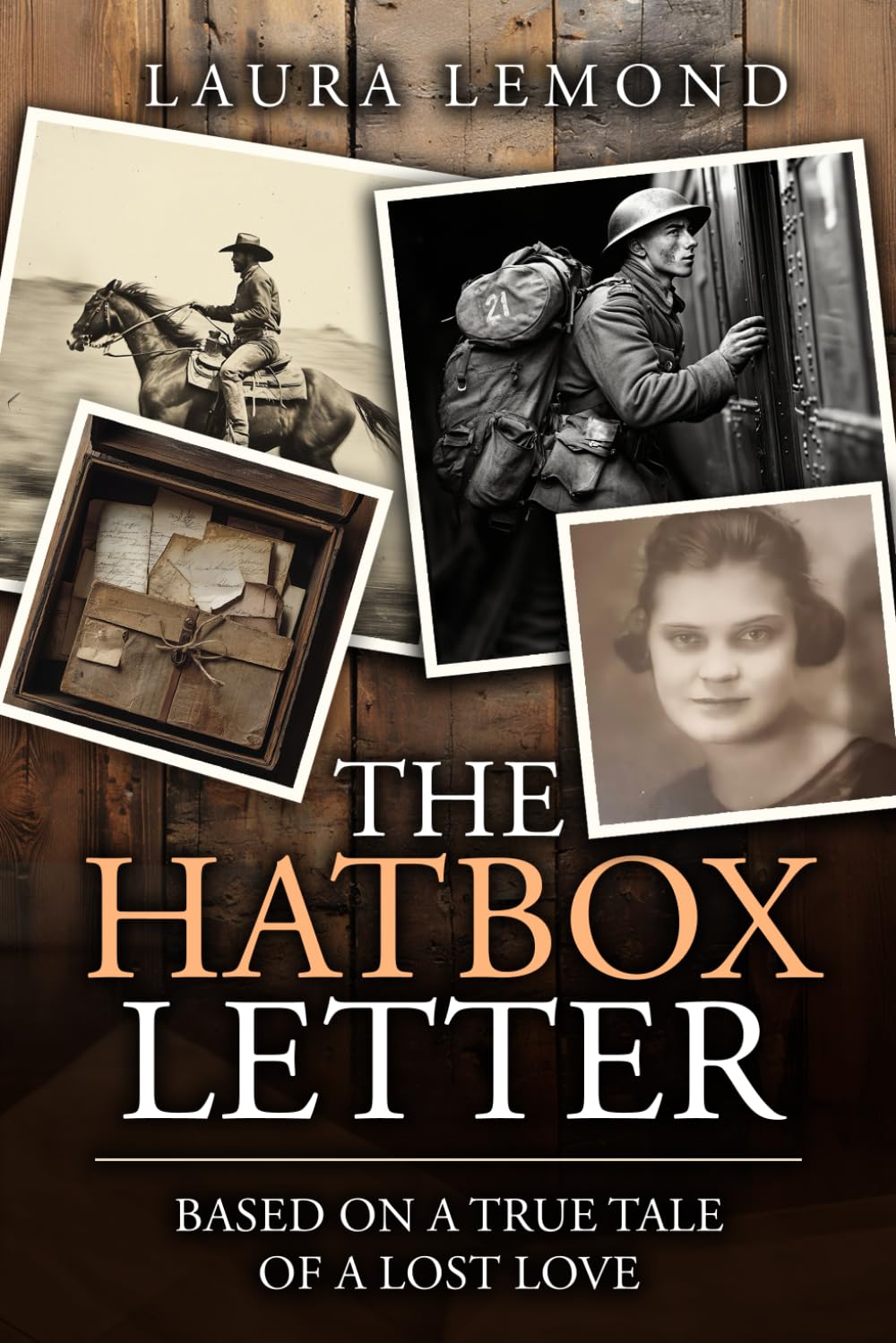
The Hatbox Letter: Based on a True Tale of a Lost Love

Laura LeMond’s The Hatbox Letter is a touching, richly atmospheric historical novel inspired by true events, chronicling a forgotten love story nestled within the broader tapestry of early 20th-century American life. At its heart is Gladys Charlesworth, a curious, creative, and fiercely independent young woman whose discovery of a letter hidden away in an old hatbox sets the stage for a sweeping narrative of romance, cultural conflict, and personal growth. The result is a delicately balanced blend of historical authenticity, familial homage, and quiet feminist commentary.
Set primarily in St. Joseph, Missouri, beginning in 1916, the story unfolds with careful period detail that immerses the reader in the sights, sounds, and social norms of the time. From starched linen dresses and Sunday roasts to fig harvests and gossip in small-town streets, LeMond deftly conjures the rhythms of domestic life. Yet, within this genteel structure, the novel challenges the boundaries placed on young women through its protagonist, Gladys, who dreams of returning to Chicago to start her own fashion line. A devotee of Coco Chanel, Gladys becomes a symbol of modern womanhood at odds with the expectations of marriage and motherhood that dominate her world.
Themes of love across cultural divides play a central role, as Gladys falls for Johnny Fry, a half-Cree, introspective, and bookish young man who lives between two worlds. Their relationship is tender, cautious, and full of quiet gestures. LeMond handles their cultural differences with nuance, highlighting both Johnny’s internal struggle with identity and the external pressures of a society not yet ready to embrace mixed-heritage romances. Johnny’s spiritual reflections and measured actions, shaped by his Native upbringing and small-town ostracism, are particularly poignant.
The book is as much about individual longing as it is about societal change. With World War I looming, technological advancements such as the automobile and shifting gender norms challenged the status quo. Gladys’ ambition and Johnny’s intellectual hunger stand in contrast to the expectations of their families and the gossip of their community. Their love is a quiet rebellion. In that sense, the title, a simple hatbox containing a letter, becomes a metaphor for all that is hidden or constrained by time, propriety, and silence.
Family plays an essential role, too. LeMond’s depiction of the Charlesworth clan is warm, familiar, and grounded in the author’s own lineage. The story is dedicated to her grandparents, and that personal touch shines through. Emma and Earl, Gladys’s English immigrant parents, are vivid characters in their own right, lovingly portrayed as keepers of tradition while also, at times, unwittingly becoming barriers to their daughter’s self-determination.
LeMond’s prose is clean and evocative, with an eye for emotional subtlety. The dialogue feels genuine, particularly between Gladys and her brother, Harry, whose close sibling relationship adds levity and depth. The pace is patient but never dragging, rewarding the reader with rich character development and an eventual emotional payoff that feels earned.
Themes of legacy, identity, resilience, and the constraints of societal roles resonate throughout. The Hatbox Letter is more than a love story—it’s a tribute to the lost voices of the past and a reminder that sometimes the most radical thing a woman can do is choose her own path. A quietly powerful and beautifully rendered debut.
| Author | Laura LeMond |
|---|---|
| Star Count | 5/5 |
| Format | Trade |
| Page Count | 167 pages |
| Publisher | Self-Published |
| Publish Date | 25-Jan-2025 |
| ISBN | 9780997872224 |
| Bookshop.org | Buy this Book |
| Issue | March 2026 |
| Category | Historical Fiction |
| Share |