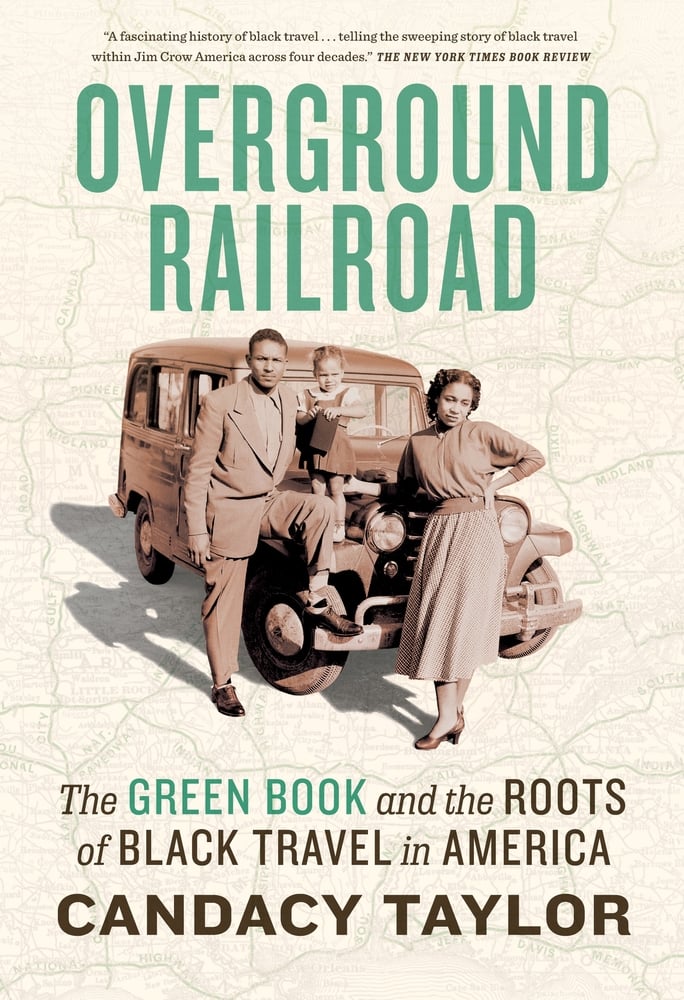
Overground Railroad by Candacy Taylor, Abrams Press, $25.00, 360 pages
Candacy Taylor’s Overground Railroad is a powerful, deeply researched tribute to the resilience and ingenuity of Black travelers navigating segregation. Blending history, cultural analysis, and personal narrative, Taylor brings the Green Book to life as more than a guide, revealing it as a symbol of community, resistance, and hope. The book shines when highlighting the businesses and individuals whose courage created safe spaces along hostile roads. Richly illustrated and thoughtfully organized, it connects past injustices to present realities with clarity and compassion. Both educational and moving, Overground Railroad is an essential read that honors overlooked histories while celebrating the strength and determination behind Black mobility in America.
Click Here to buy the book!
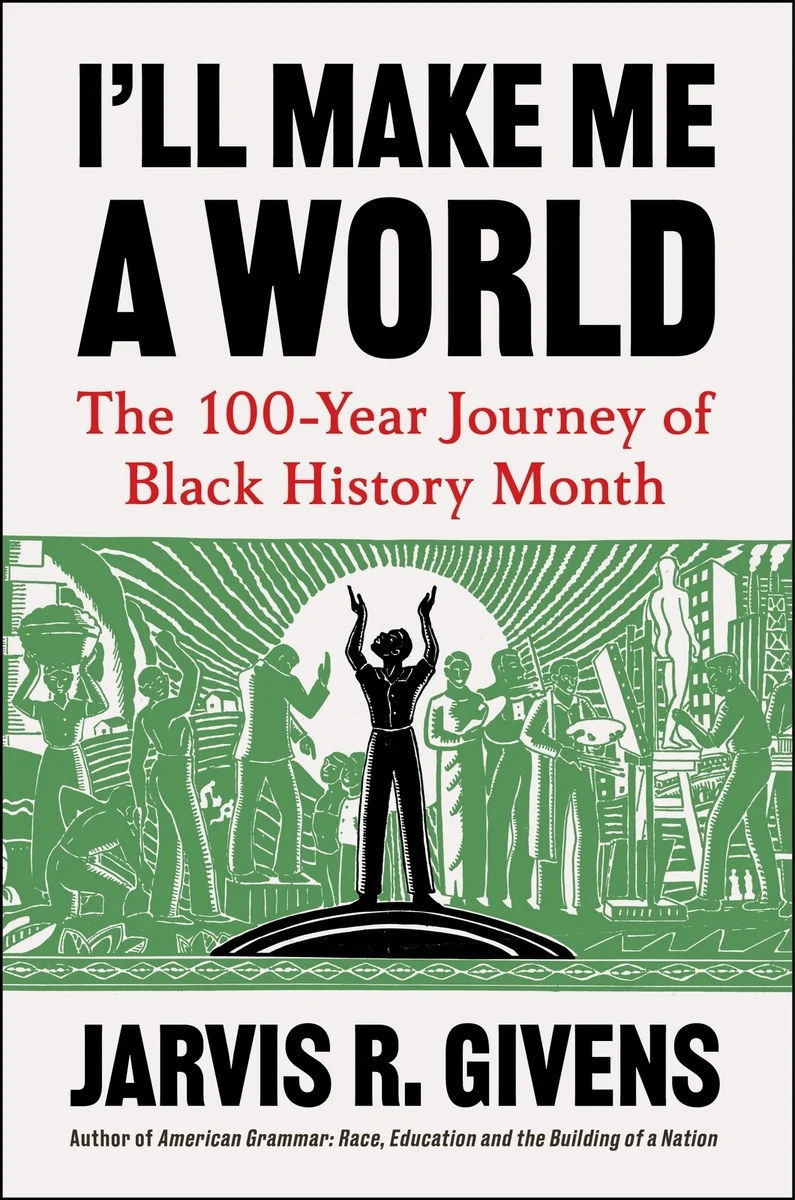
I’ll Make Me A World by Jarvis R. Givens, Harper, $24.99, 256 pages
Jarvis R. Givens’ I’ll Make Me a World is a luminous, urgent meditation on the past and future of Black History Month. Blending rigorous scholarship with personal reflection, Givens honors Carter G. Woodson while expanding the narrative to include the everyday educators and communities who have carried Black historical knowledge forward. His prose is clear, thoughtful, and deeply moving, revealing Black history as a living, liberatory practice rather than a static celebration. Especially powerful is his focus on the labor of preserving memory in hostile spaces. Timely and inspiring, this book challenges readers to rethink commemoration and affirms the transformative power of learning, teaching, and remembering.
Click Here to buy the book!
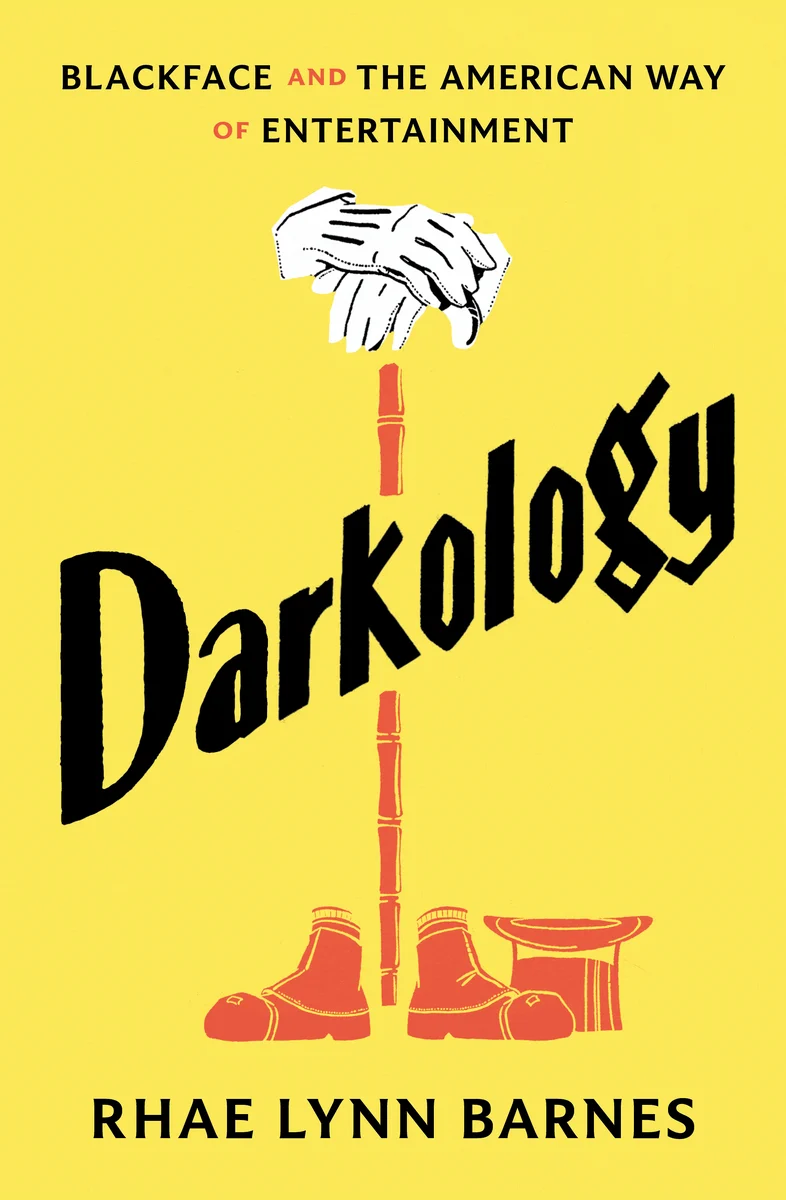
Rhae Lynn Barnes’ Darkology is a landmark work of historical recovery that confronts one of the most pervasive and misunderstood traditions in American culture. Drawing on decades of meticulous research, Barnes reveals how blackface minstrelsy shaped national identity across politics, education, entertainment, and everyday life. Her analysis is both unflinching and deeply illuminating, exposing the scale of its influence while centering the resistance of Black communities who challenged it. Despite its difficult subject, the book is compelling and accessible, guided by vivid storytelling and sharp insight. Darkology is an essential, thought-provoking study that reshapes our understanding of the past and underscores the urgency of historical truth.
Click Here to buy the book!
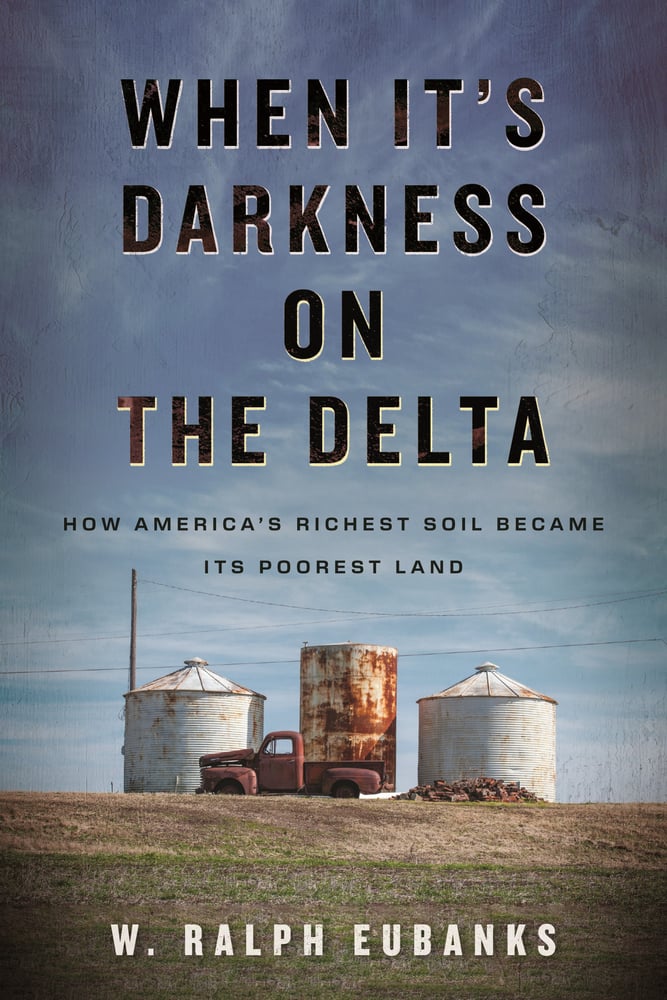
W. Ralph Eubanks’ When It’s Darkness on the Delta is a poignant, deeply reported portrait of a region too often reduced to stereotype. Blending history, memoir, and on-the-ground reporting, Eubanks reveals the Mississippi Delta as both a site of entrenched inequality and a wellspring of community resilience. His profiles—from segregationist power brokers to grassroots leaders like Gloria Carter Dickerson and Calvin Head—are vivid and illuminating, showing how policy, race, and economics intertwine across generations. The prose is measured, compassionate, and clear-eyed, refusing easy narratives while offering hope rooted in local action. This is an essential, humane study that reframes the Delta’s past and points toward more just possibilities for its future.
Click Here to buy the book!
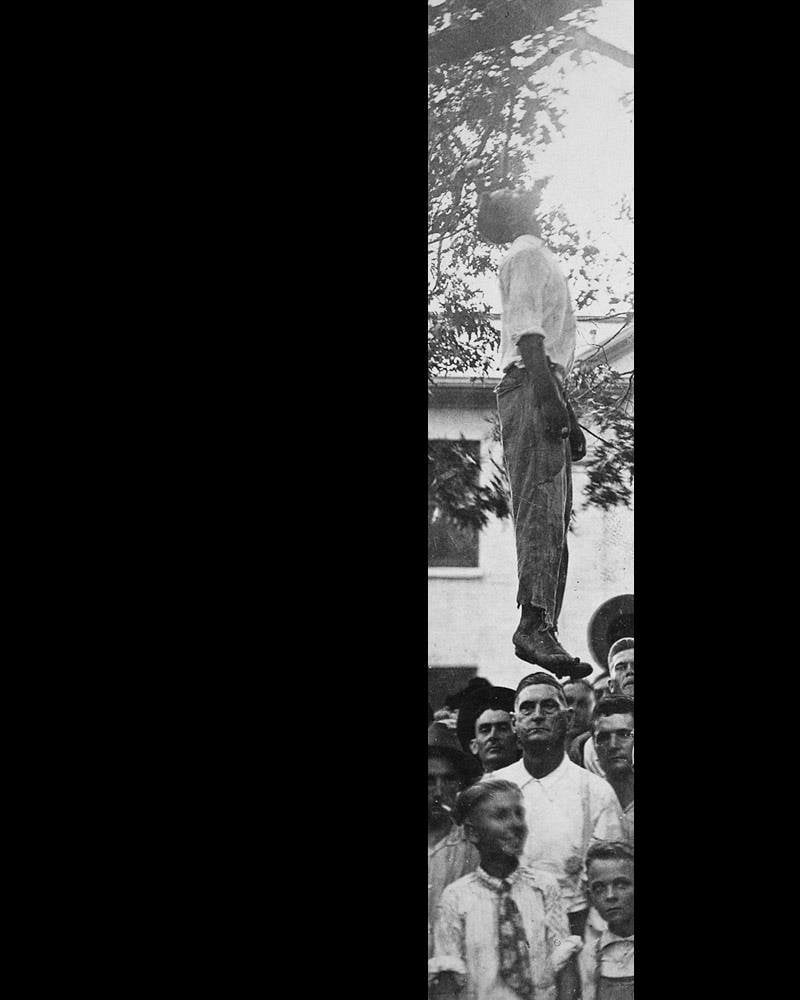
TW: Graphic Images